
- Support
- Heart
- Stroke
- Keeping Well
- Ways to help
- Schools
- CPR
- About Us
- Search
Healthy Eating
- Back to Main Menu
- Healthy Eating Basics
- Meal Plans and Swaps
- Your Relationship with Food
- Myth Buster
Nurse Helpline
01 6685001
9am – 1pm Mon to Fri
You don’t need to eat perfectly. Start with one small change and build from there.
Choose the support you need:
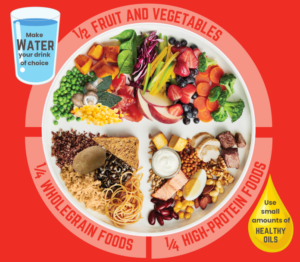
A heart-healthy eating pattern is less about ‘perfect foods’ and more about balance most of the time.
Aim for:
Download: Balanced Plate Guide
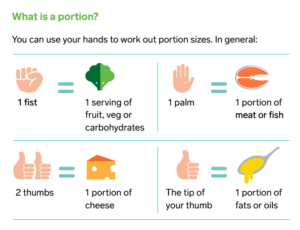
Portion sizes have grown over time and it’s easy to eat more than we realise, especially with snacks and takeaways.
Using smaller dishes can create the illusion of a fuller plate, helping to prevent overeating.
Try using your hands to work out portion sizes of various foods.
Smart swaps for heart health
If you’re searching for practical ways to eat a heart-healthier diet, these swaps are a great place to start.
A few examples:
Snacking can be part of a heart-healthy diet, especially if it stops you feeling overly hungry and overeating later. Plan your snacks and keep a stock of healthy snacks to hand.
A simple formula you can follow:
Quick and satisfying snack ideas:
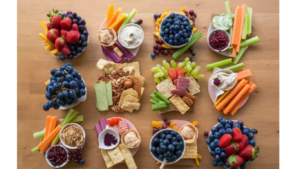
Mix up the textures
Texture can make snacks more enjoyable and satisfying. Try combining different textures to keep snacks interesting and help you feel more satisfied.
For example, pair creamy hummus with crunchy vegetables or Greek yogurt with juicy fruit and crispy seeds.
Snacking often? Check your meals first.
If you find yourself needing snacks multiple times a day, it may be worth checking whether you’re eating enough at mealtimes or leaving too long between meals.
Aim for balanced meals that include protein, fibre-rich carbohydrates and healthy fats to help keep you satisfied for longer. Regular meals can help maintain energy levels and reduce the urge to graze throughout the day. See more tips on how to build a balanced meal here.
Relationship with food
Your relationship with food is shaped by more than just hunger. Emotions, habits, beliefs, routines and past experiences can all influence the choices you make every day. Understanding these influences can help you develop a more balanced, positive approach to eating that supports both your physical health and emotional wellbeing.
Learn more about your relationship with food here.