
- Support
- Heart
- Stroke
- Keeping Well
- Ways to help
- Schools
- CPR
- About Us
- Search
Healthy Eating
- Back to Main Menu
- Healthy Eating Basics
- Meal Plans and Swaps
- Your Relationship with Food
- Myth Buster
Nurse Helpline
01 6685001
9am – 1pm Mon to Fri
A heart-healthy diet doesn’t have to be complicated or expensive. The best approach is one you can do most days – at home, at work and when life gets busy.
This page covers practical skills to help you:
In Ireland, the Department of Health’s national healthy eating guidance is based on the Healthy Ireland food pyramid. The national food pyramid encourages lots of plant foods, plenty of fibre, healthier fats and less foods that are high in salt, sugar and fat.
Our heart-healthy advice follows the same principles and draws on evidence from the Mediterranean diet and the DASH diet, which are recommended for heart health by international guidelines.
Aim for:
You can find meal plans, recipes and snack ideas on our tools, meal plans and recipes page.
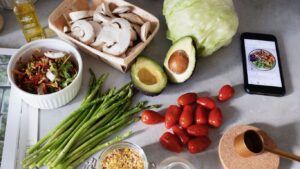
Eating well does not have to cost a lot of money, especially when you build meals around high-fibre basics.
Budget-friendly staples for heart health:
-Oats or porridge, wholemeal bread, brown rice, wholewheat pasta, potatoes
-beans, lentils, chickpeas (tinned varieties are great)
-frozen vegetables and berries (nutritious and reduce waste)
-tinned fish (sardines, salmon, mackerel, tuna)
-eggs, natural yoghurt, lower-fat milk or fortified alternatives. Fortified alternatives to dairy include plant-based drinks, such as soy, oat and almond drinks, that have added calcium and other vitamins and minerals.
-rapeseed or olive oil
Simple budget tips to help you save
-Plan 2-3 dinners for the week and batch cook them, so you don’t have to prepare something new every evening (less waste, less decision fatigue).
-Use ingredients to ‘bulk out’ the meal for example, add beans/lentils to mince, stews, curries. These will help to increase the volume of the recipe and add protein and fibre which will keep you feeling fuller for longer.
-Choose own-brand wholegrains and tinned foods.
-Make lunch from leftovers once or twice a week.
Visit our meal plan and swaps page to download a 7 – day heart healthy budget guide.

Meal planning doesn’t need to be perfect – it just needs to reduce stress and help you avoid last-minute choices.
A simple method that works:
– Choose 2-3 dinners for the week that use familiar ingredients and fit your schedule.
– Plan for leftovers by cooking an extra portion or two which can be used for lunches the next day.
– Pick 1-2 quick lunch options that require little preparation, such as soup, sandwiches, wraps, salads or simple toast with toppings like eggs, beans or avocado.
– Keep breakfasts simple and consistent with nutritious options like porridge, wholegrain toast, yoghurt with fruit or overnight oats.
– Include healthy snacks if needed, such as fruit, nuts, yoghurt, vegetable sticks or hummus.
– Check what you already have at home before shopping to avoid buying duplicates and reduce waste.
– Write a short shopping list based on your planned meals and stick to it where possible.
– Allow some flexibility for busy days, social plans or changes in appetite. Meal planning should support you, not create extra stress.
– Start simple by planning just a few meals each week and build from there as it becomes a habit.
Remember: A simple plan is often more realistic and sustainable than an ambitious one.
The aim is progress, not perfection.
A quick ‘balanced meal’ check
Try to include:
– a high-fibre carbohydrate (potatoes, oats, wholemeal bread, brown rice, brown pasta, quinoa)
– a lean protein (beans, fish, chicken, eggs, yogurt, tofu)
– veg or fruit (fresh or frozen)
– a small amount of healthy fat (olive or rapeseed oil, nuts, seeds)
Make water your drink of choice.
For downloadable meal plans, see tools, meal plans and recipes.

Food labels help you compare similar foods and choose options with less salt, saturated fat and added sugar.
Start with these three:
– Salt/sodium: choose lower where possible (high salt can raise blood pressure)
– Saturated fat: choose lower (foods high in saturated fat can increase LDL or ‘bad’ cholesterol)
– Fibre: choose higher (helps lower cholesterol and keeps you fuller)
Ingredients list tip: Ingredients are listed from most to least. If salt, sugar, butter or cream, coconut oil or palm oil are near the top, it’s usually a less heart-healthy choice.
Try not to get stuck on numbers. Use labels to make small improvements – not to “eat perfectly.”

You can still follow a heart-healthy eating pattern without cooking everything at home.
At work
-Bring one ‘base’ lunch most days (leftovers, soup and wholegrain bread, salad with some protein includedlike beans, tuna or chicken).
-Keep a simple backup at work: oats, fruit, nuts, yoghurt, wholegrain crackers.
On the go
Choose:
-Grilled or baked options instead of fried
-vegetable-based sides
-tomato-based sauces instead of creamy sauces
-consider sharing a couple of dishes between a few people – this helps with portion control
-ask for dressings or sauces on the side
Eating out
Making a heart-healthy choice when eating out doesn’t mean you have to order the “healthiest” item on the menu or miss out on foods you enjoy. Small, realistic changes can make a meaningful difference while still allowing you to enjoy your meal.
A simple approach is to focus on one positive upgrade each time you eat out, such as:
-choosing a dish with more vegetables or salad
-opting for grilled, baked or roasted foods instead of fried options
-requesting sauces or dressings on the side or choosing a lighter sauce
swapping chips or fries for boiled potatoes, vegetables or a side salad.
Remember, healthy eating is about overall patterns, not perfection. One meal does not define your health. Make the best choice that feels manageable, enjoy your food and then move on without guilt. Consistent small changes over time will have a much greater impact than striving for perfection at every meal