As the country heads into the busy holiday season, the Irish Heart Foundation is urging travellers not to overlook a potentially life-threatening risk: thrombosis, also known as blood clots.
What is Thrombosis?
Often associated with long-haul flights and extended car journeys, venous thromboembolism (VTE)—which includes deep vein thrombosis (DVT) and pulmonary embolism (PE)—remains under-recognised despite affecting thousands of people every year.
In Ireland, around 5,000 people are affected by VTE annually, with more than 1 in 12 people expected to experience a clot during their lifetime. It is the third most common cardiovascular disease after myocardial infarction and stroke.
Blood clots form when blood flow slows during periods of prolonged immobility.
Who is Most at Risk?
Risk increases sharply with age and in certain medical conditions. Risk factors include:
· being over the age of 60
· obesity
· pregnancy or recent childbirth
· use of oestrogen containing contraception
· hormone replacement therapy
· cancer
· previous clots
· thrombophilia
· recent surgery
· limited mobility
Long distance travel can also increase the risk, particularly when journeys exceed four to six hours, whether by air, car, train or ferry.
Despite this, awareness remains low. According to the HSE, 75% of adults have never heard of DVT, and fewer than one in ten can identify its symptoms.
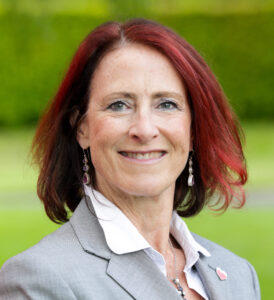
Dr Angie Brown, consultant cardiologist and Medical Director of the Irish Heart Foundation, says awareness is crucial – especially ahead of the busy holiday season.
Thrombosis is often underestimated because it doesn’t always cause symptoms until it becomes serious,” explains Dr Brown. “Yet it’s one of the most preventable causes of death and disability if people understand the risks and take simple precautions.”
Crucially, the risk isn’t limited to flying. “People often associate clots with aeroplanes, but we see can them after long car trips or ferry journeys as well as long stays in hospital,”
comments Dr Brown. “It’s immobility — not the destination — that’s the issue.”—
How to Lower Your Risk When Travelling
Preventing thrombosis during travel is largely about keeping blood moving.
“People often associate blood clots with serious illness or surgery, but prolonged sitting during travel is a well-recognised trigger,” Dr Brown explains. “The good news is that many travel related clots are preventable with simple measures.”
1. Keep Moving
· Stand, stretch or walk every 1–2 hours wherever possible. Even simple in-seat exercises—like ankle rotations or calf raises—can help maintain circulation. Also, avoid crossing your legs for long periods.
2. Stay Hydrated
· Dehydration can thicken the blood, increasing clot risk. Drink water regularly and limit alcohol or caffeine on long journeys.
3. Wear Compression Stockings (If required)
· For higher-risk individuals, properly fitted compression socks can significantly improve circulation and reduce the likelihood of clot formation.
4. Choose Your Seat Wisely
· An aisle seat makes it easier to get up and move, which can help lower risk.
5. Know Your Personal Risk
· “For example, if you’ve had a clot before, or you’ve been in hospital and had recent surgery, or have active cancer, it’s essential to speak to your GP before you travel,” advises Dr Brown. In some cases, preventative medication may be recommended.
Know the Warning Signs
Being able to recognise symptoms early can save lives.
Common signs of DVT include:
· Swelling in one leg
· Pain, tenderness, or warmth in one calf
· Red or discoloured skin
Pulmonary embolism symptoms—requiring urgent medical attention—include:
· Sudden shortness of breath
· Chest pain particularly on breathing
· Rapid heartbeat
Coughing up blood
Thrombosis is a leading but preventable cause of illness and death. Many cases—especially those linked to travel—can be avoided with awareness and simple steps.
“Travel should be enjoyable, not dangerous. The key message is simple—move often, stay hydrated, and know your risk. These small actions can make a life-saving difference. And if symptoms appear during or after travel, people should seek medical help urgently,” Dr Brown stresses. “Early treatment saves lives.”
For more support and advice, visit: https://irishheart.ie/heart-and-stroke-conditions-a-z/thrombosis/#section-support-for-you


